Category: Nutrition

  • The Ultimate Guide to Clean Eating: Science-Backed Nutrition Made SImple

    The Ultimate Guide to Clean Eating: Science-Backed Nutrition Made SImple

    The Ultimate Guide to Clean Eating: Science-Backed Nutrition Made Simple | FitWisePRO

    The Ultimate Guide to Clean Eating: What It Really Means & How to Start

    No juice cleanses. No restrictive rules. Just real food, real science, and real results. Discover what clean eating actually means — and how to make it work for your life.

    ⚡ Key Benefit: Clean eating can boost energy by 40% and reduce inflammation markers by 30% (JAMA Network, 2021). Start with one change today!
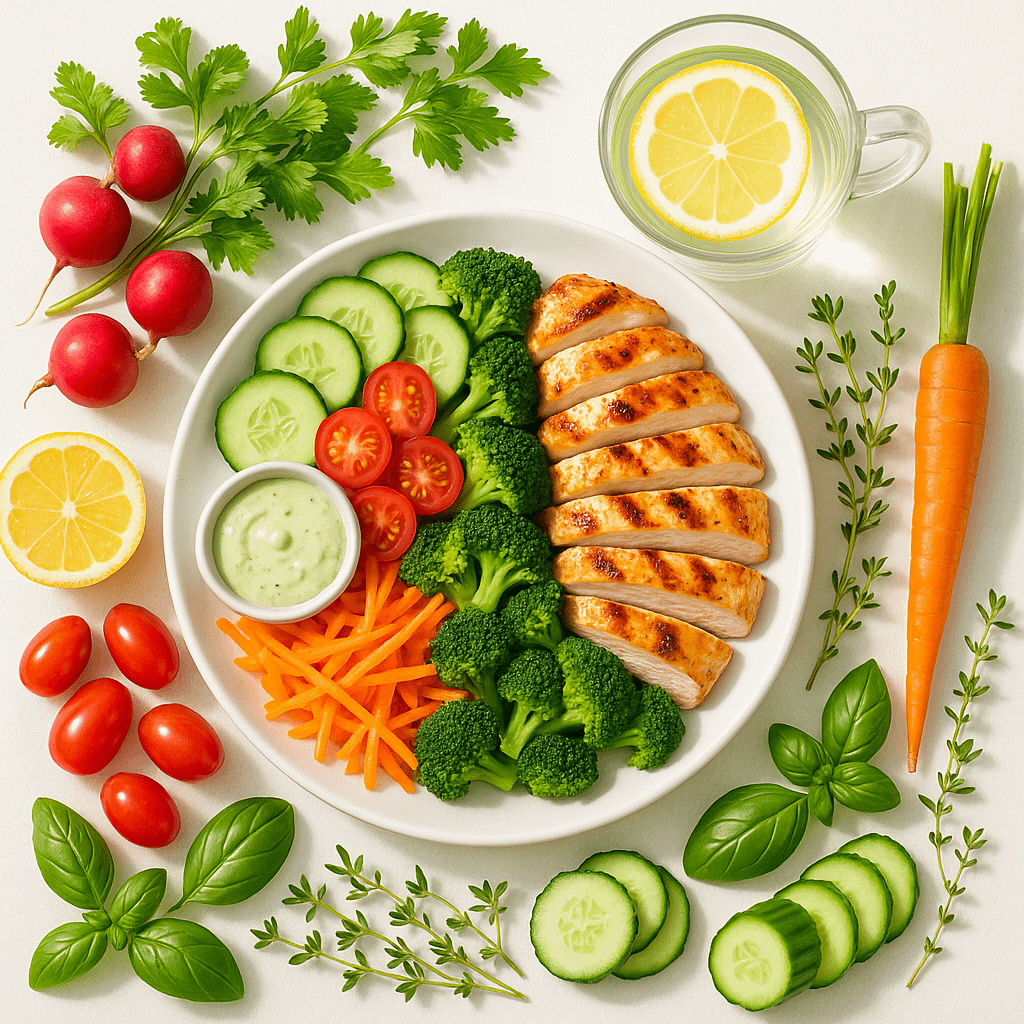
    Colorful array of fresh vegetables for clean eating
    Clean eating is about adding nutrients, not restricting joy. (Source: FitWisePRO)

    What Is Clean Eating, Really?

    Clean eating is a flexible, sustainable nutrition style focused on whole, minimally processed foods. It’s about eating more of what nourishes you and less of what drains your energy.

    Core principles:

    • Focus on whole foods: vegetables, fruits, legumes, whole grains, lean proteins
    • Minimize ultra-processed ingredients: additives, refined sugars, and industrial seed oils
    • Cook more at home: Control your ingredients, flavors, and portions
    • Hydrate well and eat mindfully: Listen to your body’s hunger/fullness cues

    Why Clean Eating Matters (Science-Backed)

    Research consistently links whole-food diets with improved energy, digestion, mood, and long-term disease prevention. A 2021 study in JAMA Network showed that diets rich in fiber, polyphenols, and healthy fats correlate with:

    • 30% lower inflammation markers
    • 40% reduced risk of metabolic syndrome
    • Improved gut microbiome diversity
    Anti-inflammatory foods like berries, olive oil, and leafy greens
    Anti-inflammatory foods = stronger body, clearer mind. (Source: FitWisePRO)

    How to Start Clean Eating (Without Overwhelm)

    1. Audit Your Pantry: Replace heavily processed snacks and sauces with whole food alternatives.
    2. Build Balanced Plates: Follow the 50/25/25 rule — 50% veggies, 25% protein, 25% carbs, plus healthy fats.
    3. Cook Simple Meals: Use herbs, citrus, garlic, and olive oil for flavor instead of bottled sauces.
    4. Plan 2–3 Go-To Meals: Having “easy wins” (like sheet-pan dinners) helps maintain consistency.
    5. Read Labels: Choose products with ≤5 recognizable ingredients and no hidden sugars.

    Sample Clean Eating Day Plan

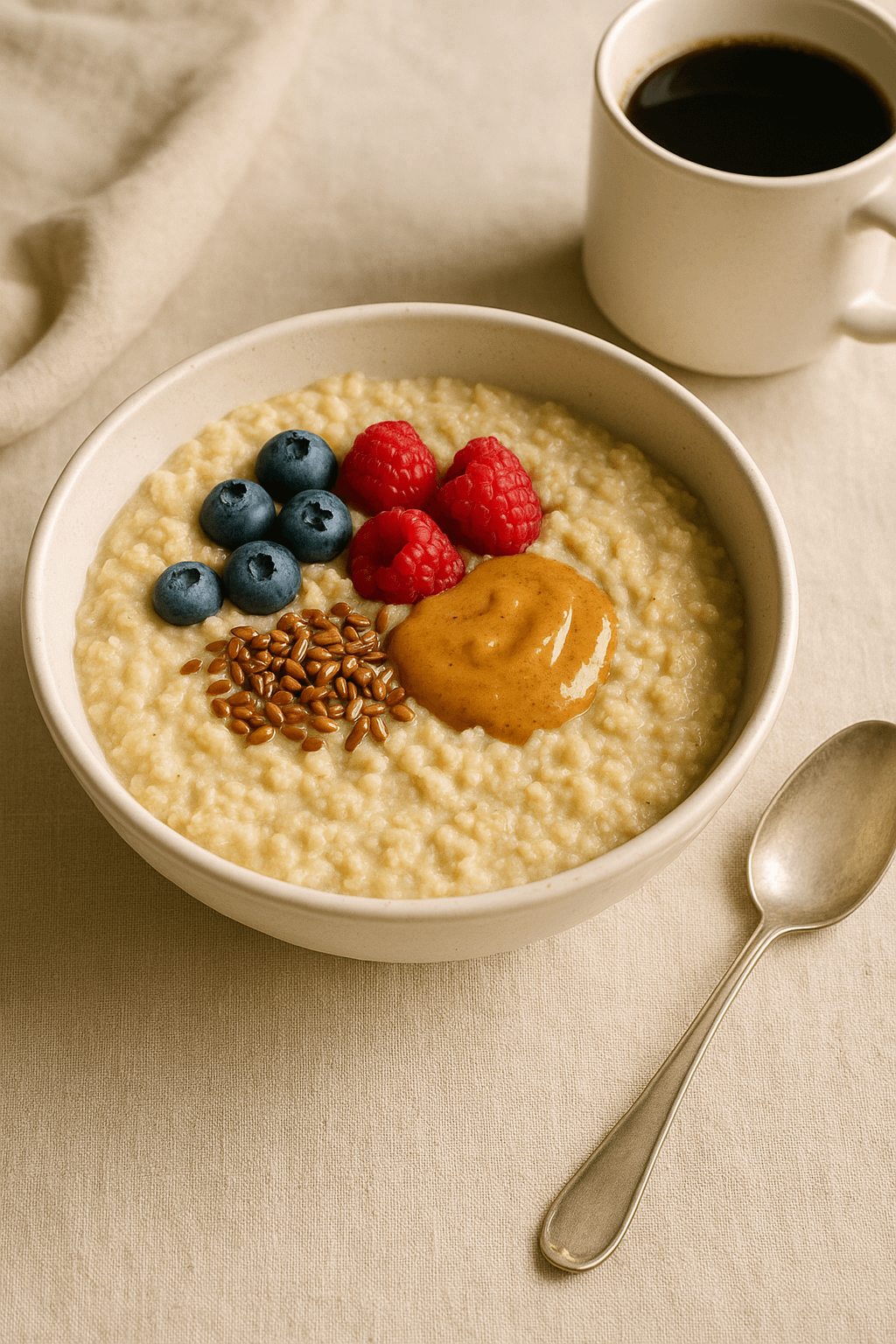
    • Breakfast: Protein smoothie with spinach, berries, flax, and almond butter
    • Snack: Greek yogurt with chia seeds and walnuts
    • Lunch: Quinoa bowl with grilled veggies, chickpeas, and tahini dressing
    • Snack: Apple slices with almond butter
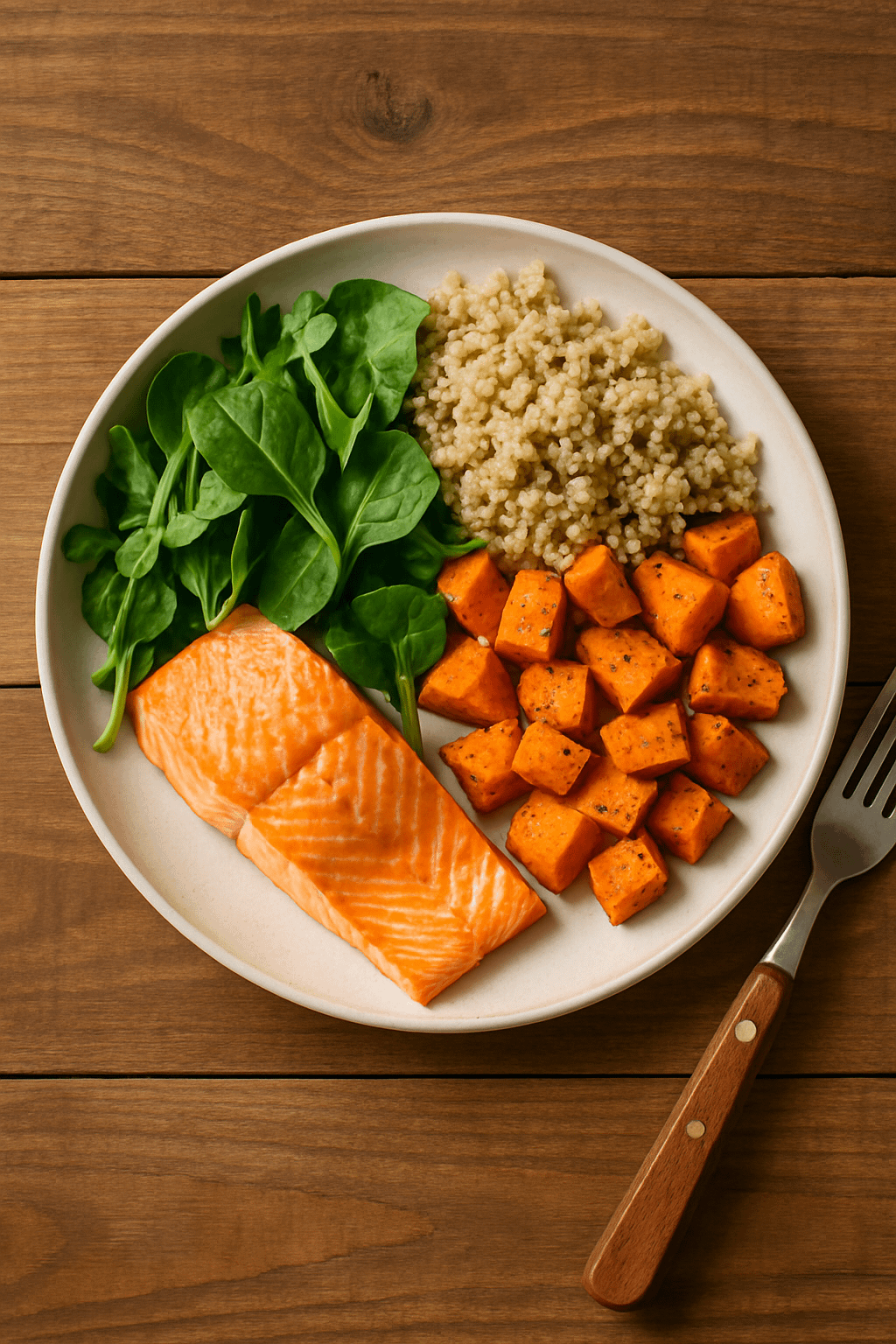
    • Dinner: Baked salmon with roasted sweet potatoes and sautéed greens

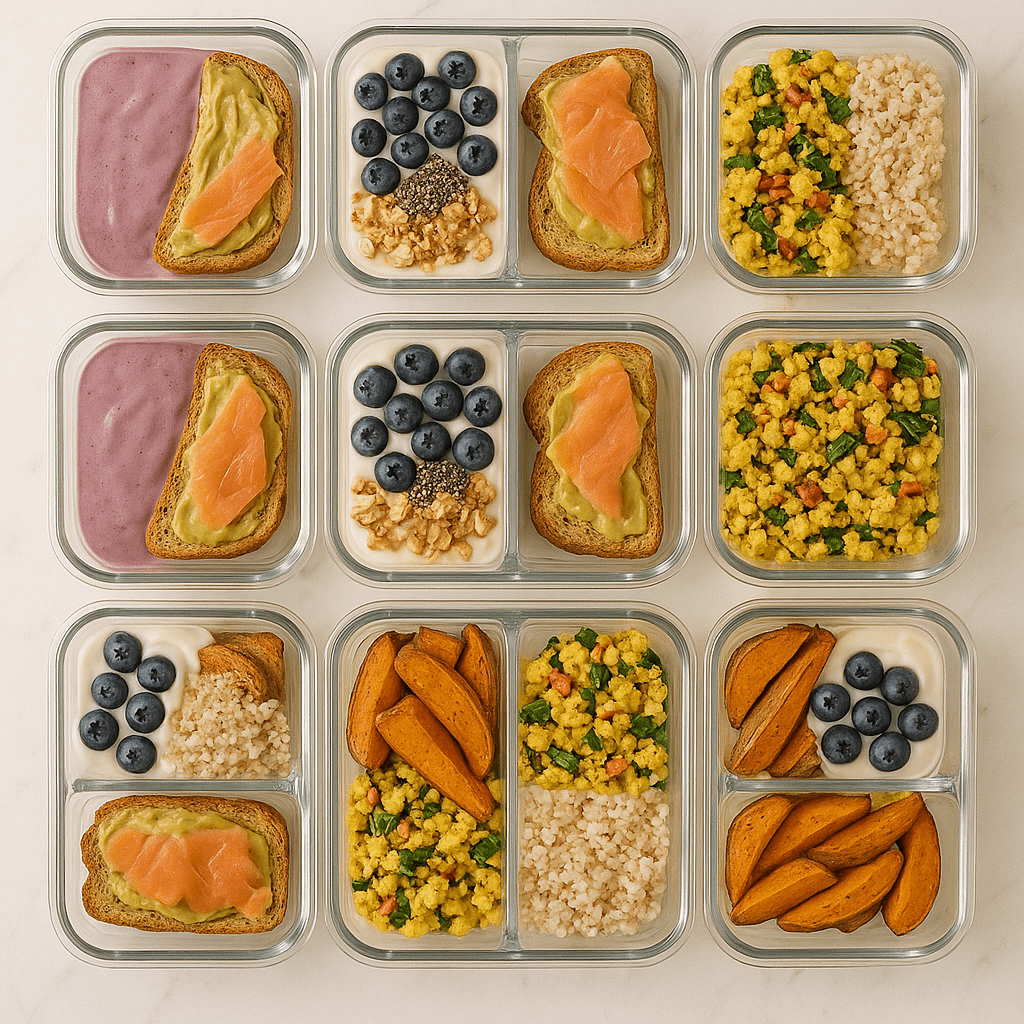
    📌 Pro Tip: Batch-cook grains/proteins on Sundays. Store in glass containers for easy assembly.

    Meal Prep Tips That Make It Easy

    Consistency doesn’t require perfection. Try these strategies:

    • Roast a tray of veggies (cauliflower, carrots, bell peppers) to add to meals all week
    • Cook 2 cups of quinoa or brown rice for quick bases
    • Hard-boil a dozen eggs for instant protein
    • Keep healthy fats handy (avocados, tahini, olive oil) to elevate any meal
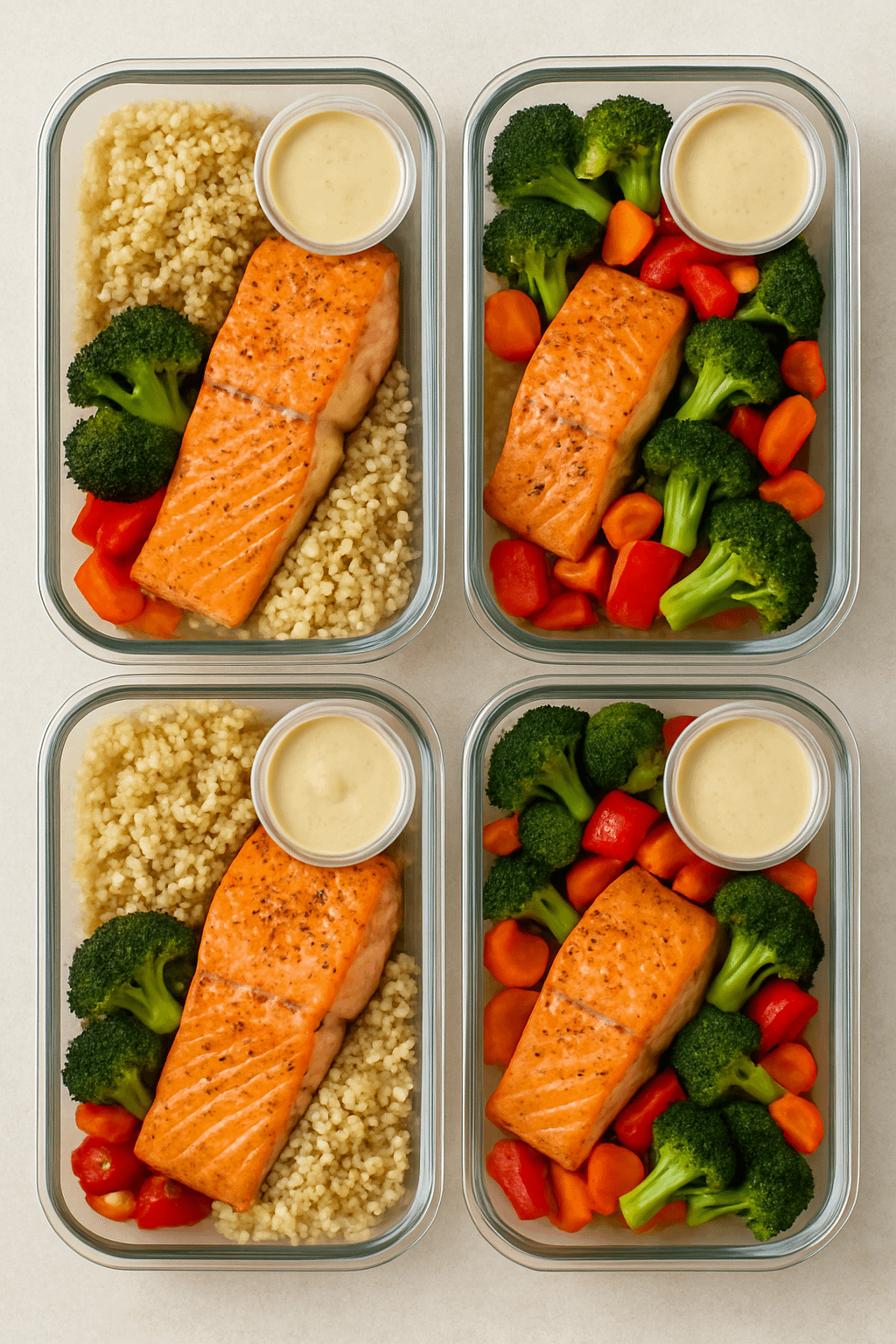
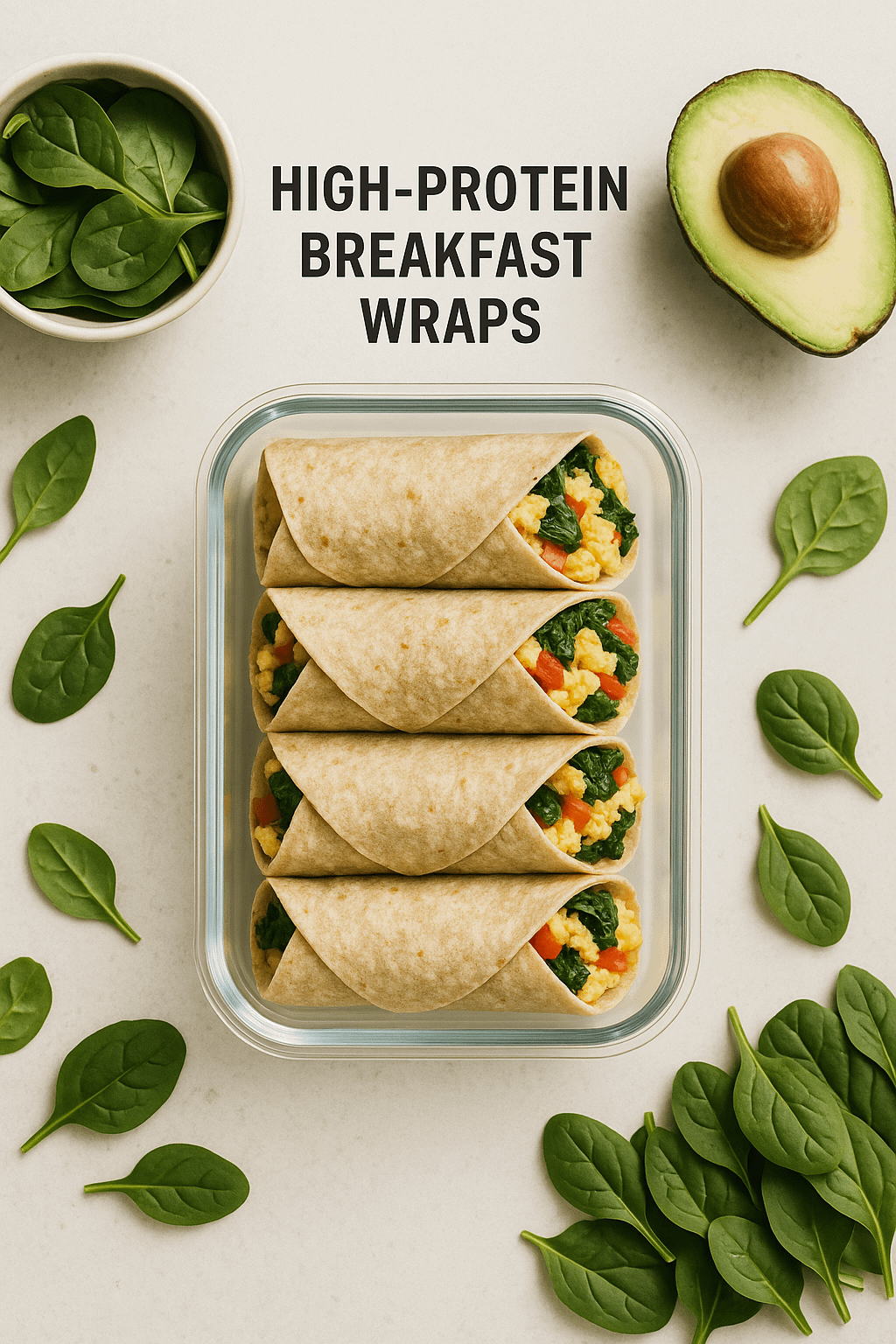
    Meal prep containers with ready-to-eat clean meals
    Meal prep is the clean eating secret weapon. (Source: FitWisePRO)

    Common Clean Eating Mistakes to Avoid

    • All-or-nothing thinking: 80/20 consistency beats perfection.
    • Cutting entire food groups: Unless medically necessary, variety prevents nutrient gaps.
    • Falling for “health-washing”: “Organic” cookies are still cookies — prioritize nutrient density.
    • Ignoring enjoyment: Food should taste good! Use herbs, spices, and quality ingredients.

    Tools to Support Your Clean Eating Journey

    Recommended products (Disclosure: Affiliate links support our research):


    Further Reading

    📬 Want more evidence-based nutrition guides? Subscribe to our newsletter →

    📸 Follow @FitWisePRO for daily meal ideas!

    💬 Final Thought: Clean eating isn’t a diet — it’s a toolkit. Start with one change (like swapping processed snacks for whole foods) and build from there. Your body will thank you.

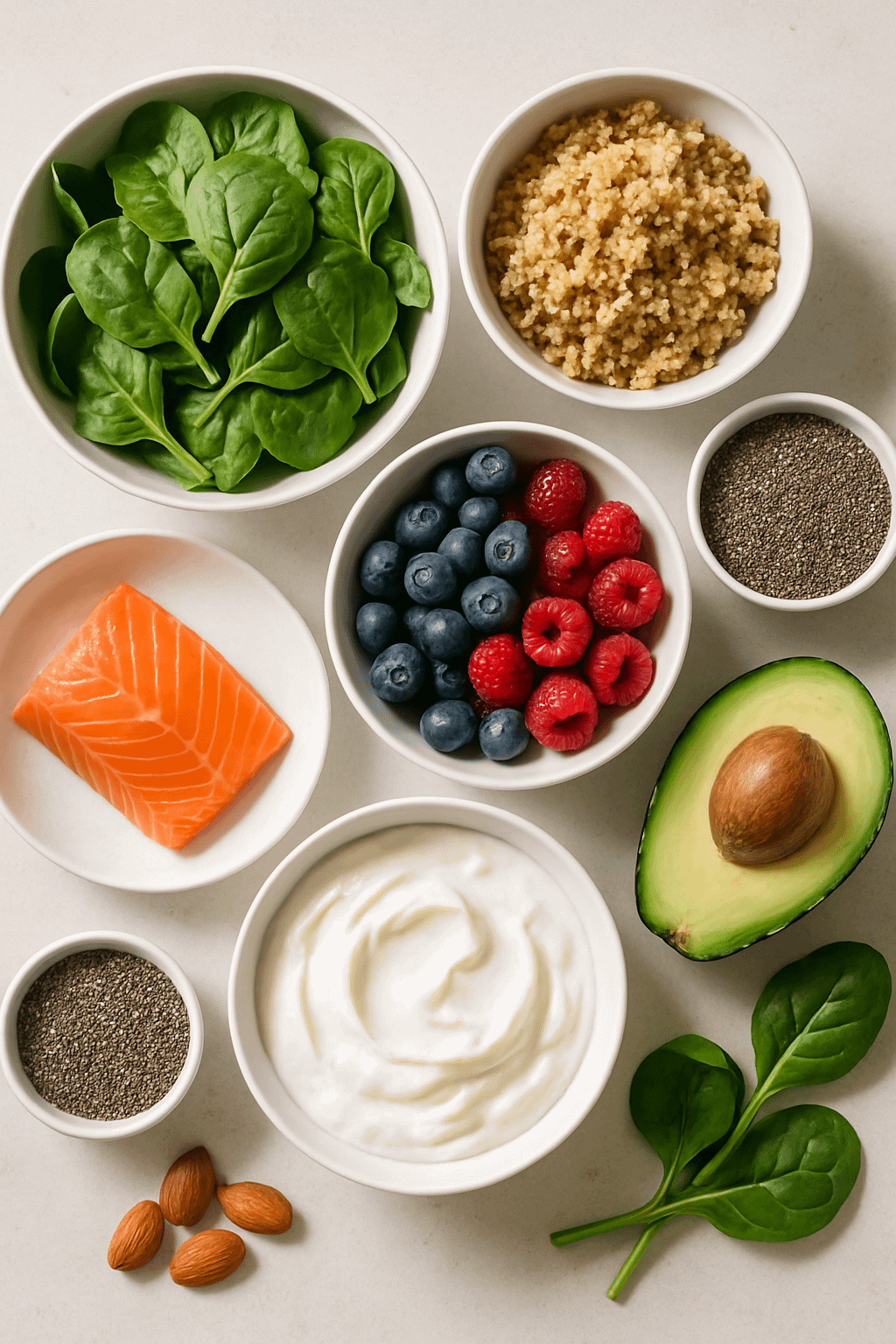
  • Science-Backed Foods to Beat Fatigue & Boost Energy

    Science-Backed Foods to Beat Fatigue & Boost Energy

    What to Eat for Steady Energy All Day: Science-Backed Foods to Beat Fatigue Without Caffeine | FitWisePRO

    What to Eat for Steady Energy All Day: Science-Backed Foods to Beat Fatigue Without Caffeine

    Feeling drained before noon? This guide reveals the exact foods and habits you need to maintain natural energy all day long — without relying on caffeine or sugar spikes.

    ⚡ Quick Tip: Start with ONE change today (e.g., chia seeds at breakfast). Small steps win.

    Healthy energy-boosting foods like fruits, grains, and nuts arranged on a table
    Your energy starts with what you put on your plate. (Source: FitWisePRO)

    🧠 Why Nutrition = Energy

    Fatigue isn’t always about lack of sleep. Often, it’s what (or when) you eat. Food provides cellular fuel, and consistent energy comes from steady blood sugar, nutrient density, and hydration.

    🍽️ Top Nutrients That Fight Fatigue

    • Complex Carbohydrates: Oats, quinoa, sweet potatoes (slow-release energy)
    • Magnesium: Almonds, spinach, pumpkin seeds (supports 300+ enzymatic reactions)
    • B Vitamins: Eggs, lentils, nutritional yeast (critical for ATP production)
    • Iron: Leafy greens, red meat, legumes (prevents oxygen-related fatigue)
    • Healthy Fats: Avocado, olive oil, chia seeds (long-lasting fuel)
    Nutrient-rich ingredients laid out in bowls on a table
    Nutrient-dense foods = sustainable energy. (Source: FitWisePRO)

    🥦 Best Foods to Beat Energy Crashes

    • Bananas: Natural carbs + potassium (prevents muscle fatigue)
    • Greek Yogurt: Protein + probiotics (gut-brain axis support)
    • Oats: Beta-glucan fiber for slow digestion
    • Hummus: Protein + fiber + healthy fat (perfect snack combo)
    • Hard-Boiled Eggs: B12 + satiety (no mid-morning crashes)
    • Chia Pudding: Omega-3 + hydration (absorbs 10x its weight in water)

    ➡️ Related: High-Protein Breakfasts That Don’t Rely on Eggs

    ➡️ Related: 7 Superfoods to Boost Your Health

    💧 Don’t Forget Hydration

    Even slight dehydration (just 2%) can cause fatigue, brain fog, and sugar cravings. Aim for 2.5–3L of water daily — more if active.

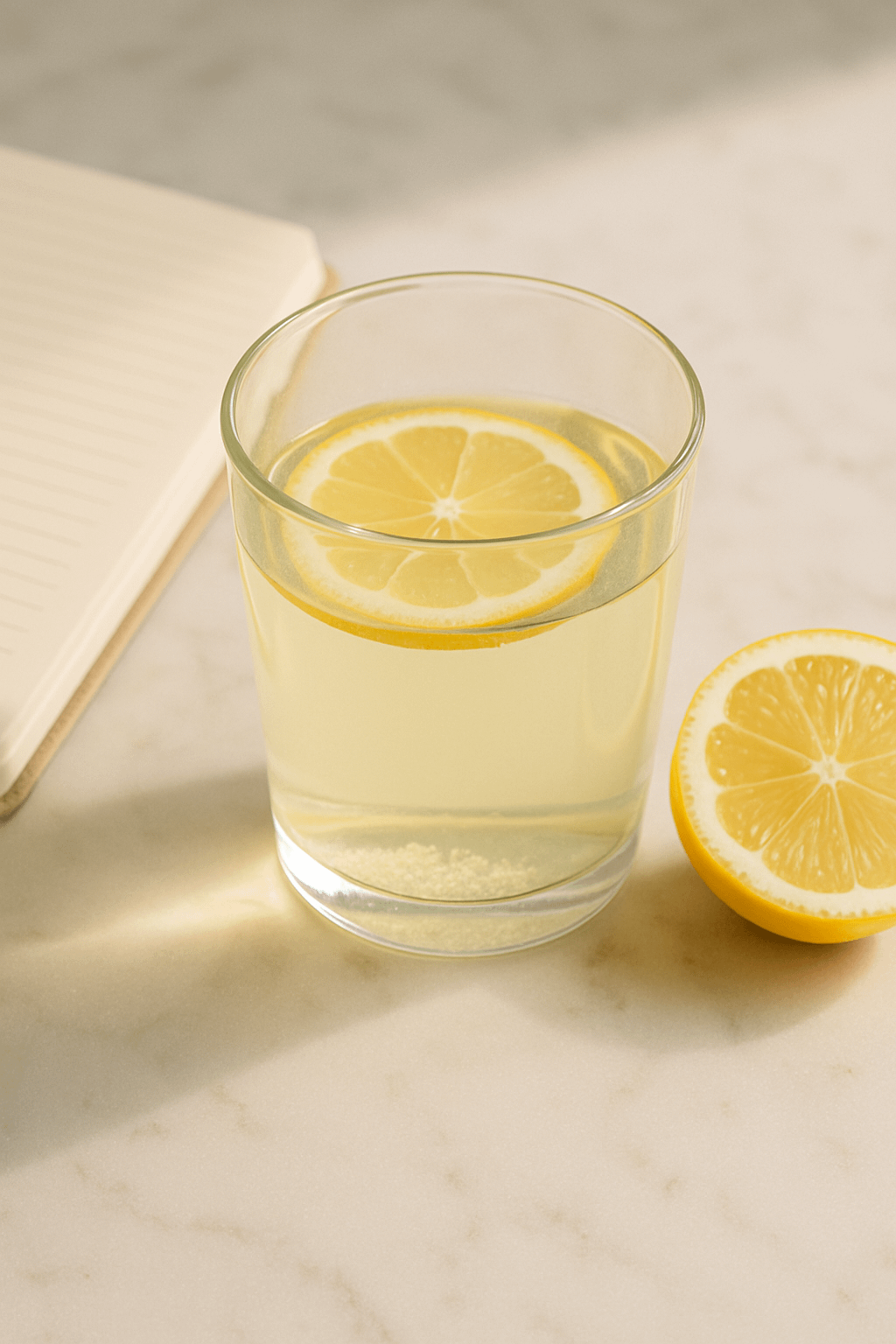
    Try: Water with lemon + pinch of sea salt (natural electrolytes to enhance absorption).

    Glass of lemon water and electrolytes on table
    Hydration is your hidden energy hack. (Source: FitWisePRO)

    ⏱️ Meal Timing for Maximum Energy

    • Breakfast: Within 1 hour of waking (kickstarts metabolism)
    • Snacks: Every 3–4 hours (protein + fiber-based to avoid spikes)
    • Dinner: 2–3 hours before sleep (supports overnight recovery)

    🧃 Sample All-Day Energy Meal Plan

    Breakfast: Overnight oats with chia, almond milk, berries, and a scoop of plant-based protein.

    Lunch: Quinoa salad with grilled chicken, arugula, roasted sweet potato, and olive oil dressing.

    Snack: Greek yogurt with almonds and a drizzle of honey.

    Dinner: Baked salmon, steamed broccoli, and wild rice with turmeric.

    🔁 Habits That Support Nutrition for Energy

    • Limit processed carbs and sugars (they cause rebound fatigue)
    • Pair carbs with protein at every meal (balances blood sugar)
    • Use magnesium-rich foods at night (promotes restorative sleep)
    • Sleep 7–9 hours (critical for nutrient absorption and repair)

    ❓ FAQs

    Can supplements help with energy? Yes — especially magnesium glycinate, B-complex, and vitamin D. But they support — not replace — whole foods.

    Is caffeine bad? In moderation (≤400mg/day), caffeine is fine. But it shouldn’t mask poor nutrition or sleep deficits.


    🛒 Recommended Products

    Tools I personally use (Disclosure: Affiliate links support our research):

    📬 Want more evidence-based nutrition tips? Subscribe to the FitWisePRO Newsletter →

    📸 Follow us on Instagram for daily energy-boosting recipes!

  • High-Protein Breakfasts for Energy & Focus (No Boring Eggs!)

    High-Protein Breakfasts for Energy & Focus (No Boring Eggs!)

    High-Protein Breakfasts for Energy & Focus (No Boring Eggs!)

    Looking for a satisfying breakfast that powers your morning, without relying on plain scrambled eggs? We’ve got you covered with flavorful, protein-packed ideas backed by science — and easy to prep.

    High-protein breakfast table with smoothie bowl and toast
    Start your morning with powerful fuel — protein-packed and energizing.

    Why Protein Matters in the Morning

    Protein stabilizes blood sugar, reduces cravings, and helps you stay full longer. A 2020 study in the Journal of Nutrition found that a high-protein breakfast improved focus and reduced overeating later in the day.

    Nutritional benefits of high protein breakfast
    Balanced meals = better mental clarity & fewer energy crashes.

    No-Boring-Eggs Breakfast Ideas 🍳

    1. Greek Yogurt Parfait with Berries & Seeds

    Layer full-fat Greek yogurt, chia seeds, walnuts, and fresh blueberries. It’s sweet, crunchy, and loaded with protein, fiber, and antioxidants.

    Greek yogurt parfait with berries and seeds

    2. High-Protein Smoothie

    Blend together: 1 scoop vanilla protein powder, 1 frozen banana, spinach, almond butter, and almond milk.

    High-protein smoothie in glass with spinach and banana
    A protein smoothie doesn’t have to be boring — make it taste like dessert.

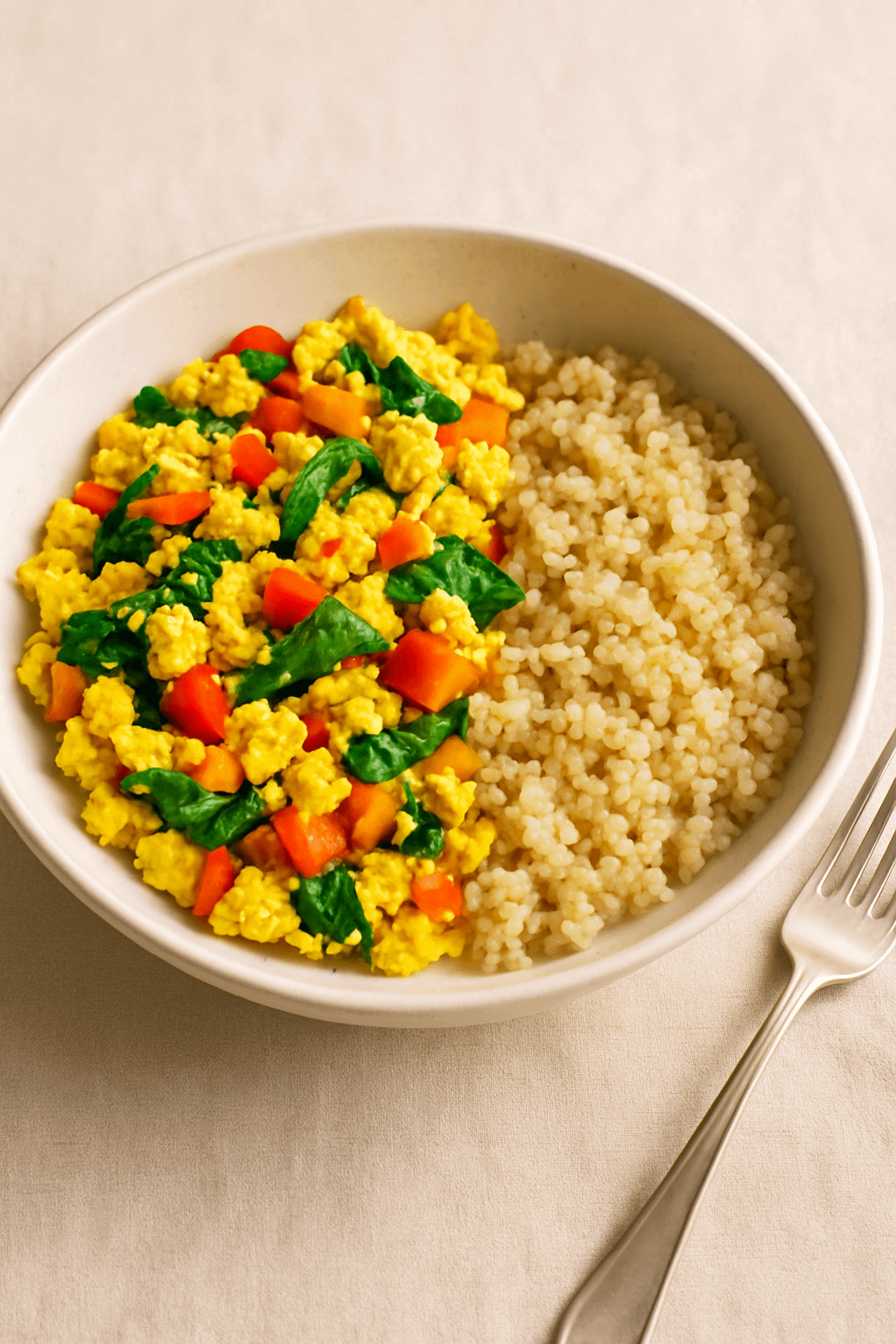
    3. Tofu Scramble with Veggies

    A great plant-based alternative to eggs. Crumble firm tofu and cook with olive oil, turmeric, bell peppers, and spinach.

    Tofu scramble with veggies in pan
    Colorful, hearty, and egg-free — tofu scramble brings the protein punch.

    4. Cottage Cheese Toast

    Spread cottage cheese on sprouted toast, top with tomatoes, cracked pepper, and arugula. High in casein protein = slow release energy.

    Cottage cheese toast with tomatoes and greens

    5. Quinoa Breakfast Bowl

    Use leftover quinoa, top with almond butter, banana slices, and cinnamon. Add Greek yogurt for extra protein.

    Quinoa breakfast bowl with almond butter and fruit
    Warm, comforting and protein-rich: breakfast doesn’t get better than this.

    6. Protein Oats

    Cook oats with milk, stir in protein powder after cooking, then add chopped almonds and berries on top.

    Protein oats with berries and almonds
    Level up your oatmeal with protein and texture.

    FAQs: High-Protein Breakfast Edition

    • How much protein should I eat in the morning? Aim for 20–30g for sustained energy and satiety.
    • Can I get enough protein without meat or eggs? Yes! Greek yogurt, tofu, cottage cheese, legumes, and protein powders are excellent alternatives.
    • What’s the best time to eat breakfast? Within 1 hour of waking, especially if you’re working or exercising in the morning.

    Final Tips: Make It Stick

    • Prep ingredients the night before for fast assembly
    • Rotate 2–3 favorite options to prevent boredom
    • Add fiber & healthy fats for better blood sugar balance

    Want more energy, better focus, and fewer cravings? Start with your breakfast. Small upgrades = big impact over time.


    🛒 Recommended Tools for Your Protein Breakfast Routine

    Note: Some links are affiliate-based and support our work at no cost to you. Thank you!

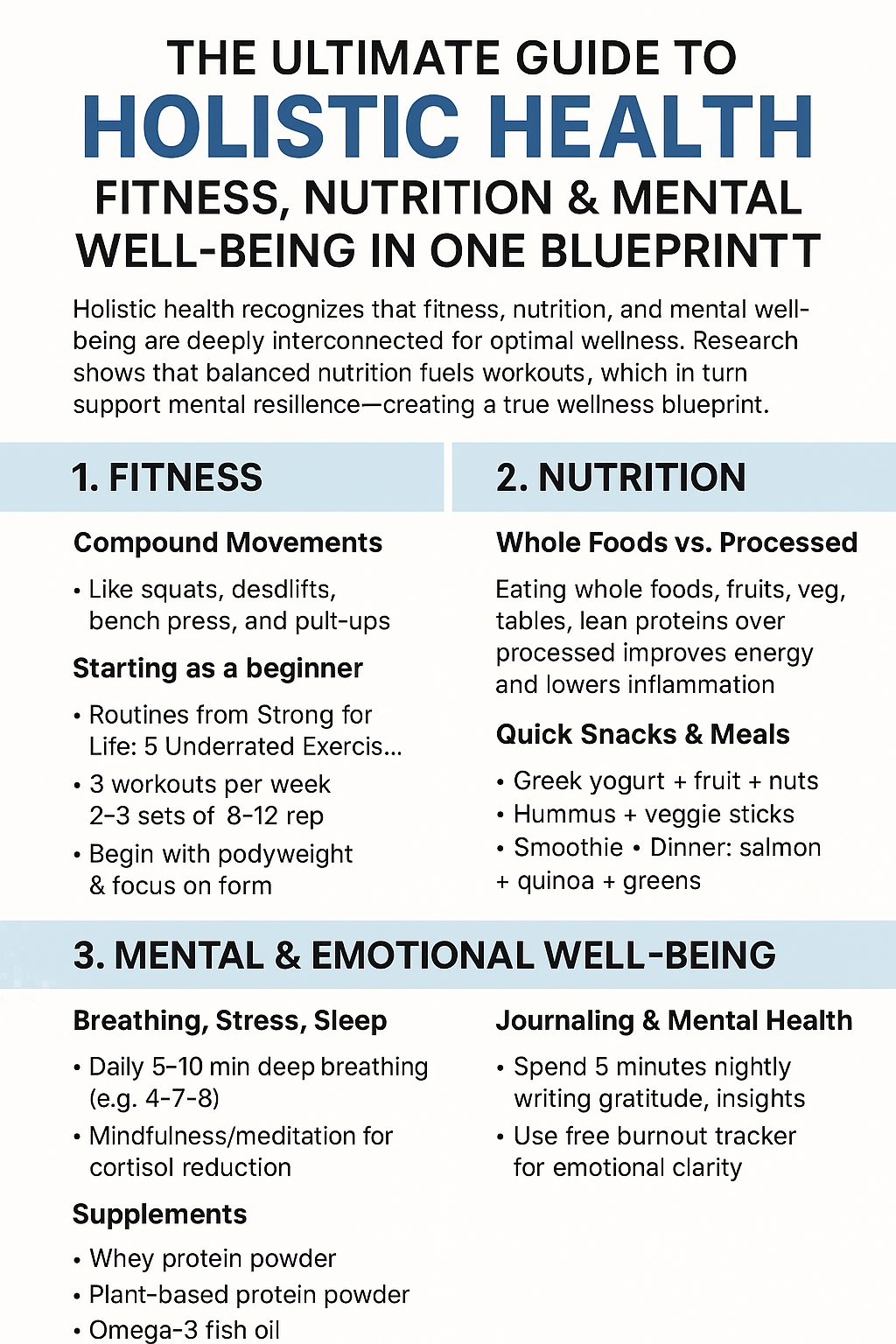
  • The Ultimate Guide to Holistic Health: A Proven Blueprint for Fitness, Nutrition & Mental Well‑Being

    Image –> The Ultimate Guide to Holistic Health

    The Ultimate Guide to Holistic Health: Fitness, Nutrition & Mental Well‑Being in One Blueprint

    Meta Description: Combine fitness, nutrition & mental well‑being in one comprehensive blueprint with research-backed tools, habits, and products—including ready-to-click affiliate links.

    📚 Table of Contents

    1. Introduction: Why Health Is Holistic
    2. Fitness
    3. Nutrition
    4. Mental & Emotional Well‑Being
    5. FAQs
    6. Subscribe & Follow

    1. Introduction: Why Health Is Holistic

    Holistic health goes beyond counting calories or tracking reps—it’s the synergy of movement, nourishment, and mindset. Studies show this integration leads to significantly reduced depression and anxiety, better sleep, and enhanced energy and motivation.

    2. Section 1 – Fitness

    Compound Movements

    Must-Do Workouts

    Exercises like squats, deadlifts, and overhead presses engage multiple muscle groups and improve functional strength. Read the full article here.

    <

    Fitness Tools You’ll Love

    Fitness Tools for Home Workouts

    Essential equipment for effective home training. Explore our tools guide.

    Recovery Tips

    Muscle Recovery Tips

    Support growth and avoid burnout with these strategies. Read the recovery guide.

    Real-Life Strength Gains

    Exercises for Life After 40

    These 5 moves rebuilt my body in my 40s. Discover them here.

    Affiliate Tools

    2.5 Fitness Studies (Science-Backed Benefits)

    3. Section 2 – Nutrition

    Superfoods to Boost Health

    Superfoods

    Foods that improve immunity, mood, and metabolism. Discover them here.

    Smart Snacks

    Healthy Snacks

    Fast and nutrient-dense snacks for daily fuel. Check our snack list.

    Best Protein Sources

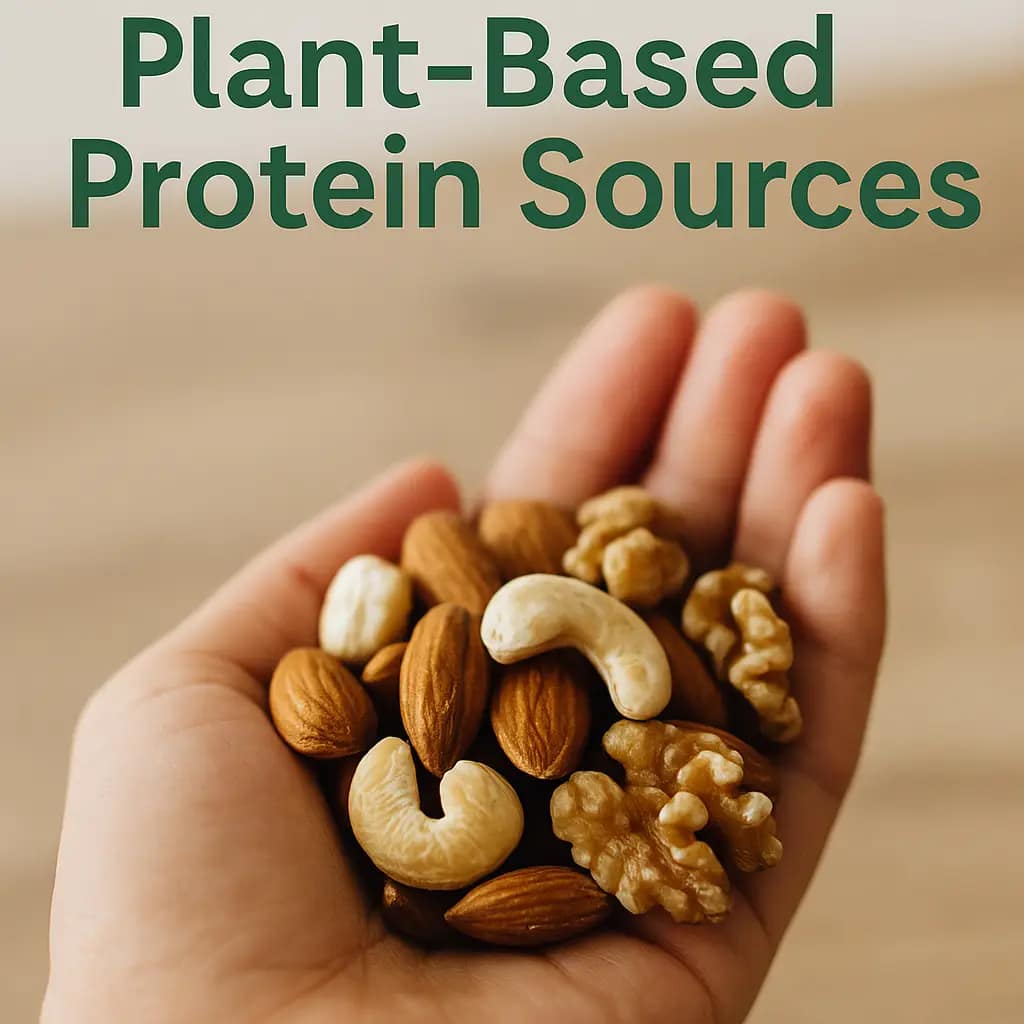
    Plant Protein Sources

    Explore the healthiest plant-based options. Read our full guide.

    Building Sustainable Energy

    Energy Nutrition Guide

    Long-term health begins with your plate. Start here.

    Affiliate Supplements

    3.4 Nutrition Studies (What the Science Says)

    • Omega-3 (EPA ≥ 60%, 1g/day): Effective in reducing moderate depression symptoms.
      Source: Nature
    • High-dose Omega-3 (4g/day): Found to improve cognitive motivation in patients with inflammation-driven depression.
      Source: NIH Study on Inflammatory Depression
    • Use with Care: Larger trials have shown mixed results; supplement responsibly and consult your physician.
      Source: Harvard Health Blog

    4. Section 3 – Mental & Emotional Well‑Being

    10 Simple Habits

    Daily Wellbeing Habits

    Everyday rituals that nurture the mind and body. Explore all 10 here.

    Recharge Rituals

    Recharge Mental Health

    Science-backed strategies to reset mentally and emotionally. Discover the rituals.

    The Power of Awe

    Awe Mental Health

    How to access awe daily to improve well-being. Learn the practice.

    Cold Exposure

    Cold Exposure Therapy

    Just 11 minutes per week can change your brain & metabolism. Read more.

    Holistic Health Visual Overview

    Visual Blueprint

    4.3 Well-Being Studies (Mental Health Data)

    • Steps & Depression: Walking just 7,000 steps/day linked to a 31% reduction in depression risk.
      Source: EatingWell
    • Social Exercise: Group or light physical activity improves mood—emphasis on enjoyment, not intensity.
      Source: The Guardian
    • Therapeutic Integration: Exercise boosts recovery when combined with psychotherapy.
      Source: British Journal of Sports Medicine

    5. Frequently Asked Questions (FAQs)

    • What is a holistic health guide?
      A lifestyle approach combining fitness, nutrition, and mindset.
    • How do I start a healthy lifestyle?
      Begin small with 3 workouts/week, nutritious meals, and deep breathing.
    • What mental wellness routines actually work?
      Journaling, mindful breathing, walking, gratitude reflection.
    • Do I need supplements if I eat clean?
      Not always, but they help close specific gaps.
    • How often should I train?
      150 minutes/week of moderate exercise or 75 vigorous + recovery time.
    • What’s the best way to build sustainable health?
      Track your habits, check in weekly, and integrate fitness + food + sleep.

    6. Subscribe & Follow

    ➡️ Subscribe on Substack: fitwisepro.substack.com

    ➡️ Follow on Instagram: @FitWisePRO

    ➡️ Save pins on Pinterest: FitWisePRO

    ➡️ Read more insights on Medium: @fitwisepro

    🎯 Join our wellness journey: workouts, nutrition hacks, mental clarity tools, and more—delivered weekly.

    7. Scientific Citations

    • Exercise & Depression: https://ijbnpa.biomedcentral.com
    • Anxiety & Training Duration: https://capmh.biomedcentral.com
    • BDNF & Exercise: https://www.ncbi.nlm.nih.gov/pmc/articles/PMC2871984/
    • Omega-3 & Mood: https://www.nature.com/articles/nature12381
    • High-dose EPA Trials: https://www.ncbi.nlm.nih.gov/pmc/articles/PMC6982331/
    • Supplementation Overview: https://www.health.harvard.edu/blog
    • Walking & Depression: https://www.eatingwell.com
    • Group Activity Benefits: https://www.theguardian.com
    • Therapy + Exercise: https://bjsm.bmj.com
  • The Ultimate Guide to Building Sustainable Energy Through Nutrition

    The Ultimate Guide to Building Sustainable Energy Through Nutrition

    The Ultimate Guide to Building Sustainable Energy Through Nutrition

    Sustainable energy isn’t just about endless cups of coffee or sugary snacks. It’s about what you fuel your body with every day. This guide reveals nutrition strategies, meal ideas, and lifestyle hacks to supercharge your energy naturally and maintain it throughout the day.

    Feeling sluggish or drained? Let’s fix that—naturally.

    1️⃣ Start with a Balanced Breakfast

    Breakfast is the foundation of sustained energy. Focus on a meal with:

    • Complex carbs (like oats or whole-grain toast)
    • Protein (eggs, Greek yogurt, or tofu)
    • Healthy fats (avocado, nuts)

    Pro Tip: A smoothie with spinach, chia seeds, and almond butter is a powerhouse combo!

    Related: 7 Superfoods to Boost Your Health

    2️⃣ Power Up with Protein

    Protein helps stabilize blood sugar and keeps you full for longer. Include lean meats, beans, lentils, and quinoa.

    Try This: Meal prep a batch of grilled chicken or chickpea salad for easy lunches.

    Shop Quinoa on Amazon

    3️⃣ Hydration is Your Secret Weapon

    Even mild dehydration can drain your energy. Aim for 2–3 liters of water daily.

    Add a pinch of salt or electrolytes if you exercise regularly!

    Explore Supplements on iHerb

    4️⃣ Snack Smart for Steady Energy

    Say goodbye to sugar crashes! Choose snacks like:

    • Almonds & blueberries
    • Carrot sticks with hummus
    • Apple slices with peanut butter

    Buy Almonds on Amazon

    5️⃣ Supercharge with Superfoods

    Incorporate energy-boosting superfoods like:

    • Blueberries for antioxidants
    • Chia seeds for fiber & omega-3s
    • Turmeric for anti-inflammation

    Related: 7 Superfoods to Boost Your Health

    Blueberries on AmazonChia Seeds on AmazonTurmeric on Amazon

    6️⃣ Timing Matters: Eat Regularly

    Fuel your body every 3–4 hours with balanced meals and snacks to avoid energy dips.

    Meal Idea: Brown rice bowl with roasted veggies and grilled salmon.

    7️⃣ Mind Your Micronutrients

    Low energy? Check your vitamin & mineral intake—especially iron, B12, magnesium, and vitamin D.

    Explore Supplements on iHerb

    8️⃣ Minimize Processed Foods

    Processed foods cause energy spikes and crashes. Focus on whole, unprocessed options.

    Shop fresh produce, whole grains, and lean proteins for long-lasting vitality.

    9️⃣ Practice Mindful Eating

    Slow down. Chew thoroughly. Be present with your meals. This improves digestion and enhances nutrient absorption.

    🔟 Combine Nutrition with Fitness

    Exercise boosts energy, but proper nutrition fuels your workouts!

    Read this next: 5 Must-Do Workouts for Lasting Energy & Health

    Bonus Tips for a Sustainable Energy Lifestyle

    • Get 7–9 hours of sleep
    • Practice stress management techniques
    • Stay consistent—small habits, big results!

    Ready to Elevate Your Health Journey?

    Subscribe to our newsletter for weekly tips, recipes, and motivation.

    Follow us on Instagram for daily inspiration!

  • The Best Plant-Based Protein Sources for Optimal Health

    The Best Plant-Based Protein Sources for Optimal Health

    The Best Plant-Based Protein Sources for Optimal Health

    Protein is an essential building block for every cell in your body, playing a critical role in muscle growth, metabolism, and overall wellness. While many associate protein with meat and dairy, there are countless plant-based protein sources that are just as powerful, offering fiber, antioxidants, and essential nutrients. Whether you’re vegan, vegetarian, or simply looking to add more plant-powered meals to your diet, this guide will help you discover the best plant-based protein sources for optimal health.

    Why Choose Plant-Based Protein?

    Plant-based proteins provide more than just amino acids—they deliver fiber, vitamins, minerals, and phytonutrients that support heart health, reduce inflammation, and promote longevity. Studies have shown that a diet rich in plant-based proteins can lower the risk of chronic diseases like heart disease and type 2 diabetes, making it a smart choice for overall wellness.

    Top 10 Plant-Based Protein Sources

    1️⃣ Lentils

    With 18g of protein per cup, lentils are a fiber-rich powerhouse that supports gut health and stabilizes blood sugar. They’re perfect for soups, salads, and stews.

    Shop Lentils on Amazon

    2️⃣ Chickpeas

    Also known as garbanzo beans, chickpeas offer 15g of protein per cup. They’re a versatile ingredient for hummus, curries, and roasted snacks.

    Find Chickpeas on Amazon

    3️⃣ Quinoa

    A complete protein source with all nine essential amino acids, quinoa provides 8g of protein per cup and is gluten-free. Ideal for salads and grain bowls.

    Shop Quinoa on Amazon

    4️⃣ Tofu

    Made from soybeans, tofu packs 10g of protein per 1/2 cup serving. It’s a versatile ingredient for stir-fries, scrambles, and smoothies.

    Explore Tofu Options

    5️⃣ Tempeh

    Fermented soybeans create a nutty, dense protein source with 19g of protein per 3-ounce serving. Great for sandwiches and grain bowls.

    6️⃣ Chia Seeds

    Rich in omega-3s and fiber, chia seeds offer 4g of protein per 2 tablespoons. Perfect for overnight pudding or adding to smoothies.

    Buy Chia Seeds Here

    7️⃣ Hemp Seeds

    Hemp seeds provide 10g of protein per 3 tablespoons, along with healthy fats. Sprinkle them on salads, oatmeal, or yogurt.

    Get Hemp Seeds on Amazon

    8️⃣ Edamame

    These young soybeans offer 17g of protein per cup and are a tasty, fiber-rich snack.

    Find Edamame on Amazon

    9️⃣ Almonds

    Almonds contain 6g of protein per ounce and are rich in vitamin E and healthy fats. A handful makes a great on-the-go snack.

    Shop Almonds Here

    🔟 Black Beans

    Black beans offer 15g of protein per cup and are high in fiber, supporting digestion and satiety. Use them in burritos, soups, and salads.

    Debunking Plant Protein Myths

    Myth: Plant proteins are incomplete. Truth: Many plant proteins (like quinoa, soy, hemp) are complete. By combining foods (like rice and beans), you can easily meet your amino acid needs.

    Myth: You need animal protein to build muscle. Truth: Studies show plant-based diets can support muscle growth when protein needs are met.

    Tips for Incorporating Plant-Based Protein into Your Diet

    • Start with one plant-based meal per day.
    • Combine legumes with grains (e.g., lentils + rice).
    • Snack on nuts, seeds, and edamame for extra protein.
    • Use protein-rich grains like quinoa in salads.

    Want More Nutrition Tips?

    Check out our previous article on 7 Superfoods to Boost Your Health for more ideas to fuel your wellness journey.

    Start Your Plant-Based Journey Today

    Ready to add more plant-powered protein to your meals? Subscribe to our newsletter for weekly recipes, tips, and wellness insights to help you thrive.

  • Easy & Delicious Healthy Snacks for Energy and Focus

    Easy & Delicious Healthy Snacks for Energy and Focus

    10 Easy & Delicious Healthy Snacks for Energy and Focus

    Finding snacks that are both delicious and nutritious doesn’t have to be a struggle. Whether you’re powering through a busy workday or prepping for your next workout, these 10 healthy snacks will keep you energized and focused. Packed with nutrients, flavor, and convenience, they’re your go-to choices for a productive day.

    1️⃣ Greek Yogurt with Berries: The Perfect Protein-Packed Treat

    Greek yogurt is rich in protein, calcium, and probiotics, which support gut health and satiety. Combined with antioxidant-rich berries like blueberries or raspberries, it creates a balanced snack that satisfies sweet cravings without added sugars.

    Nutrition Per Serving: ~150 calories, 12g protein, 3g fat, 18g carbs.

    Pro Tip: For an extra boost, sprinkle some chia seeds or a drizzle of honey.

    Shop Greek Yogurt on Amazon

    2️⃣ Apple Slices with Almond Butter: Sweet, Crunchy, and Satisfying

    This classic pairing provides fiber, healthy fats, and a natural sweetness. Almond butter offers vitamin E and magnesium, while apples add antioxidants and hydration.

    Nutrition Per Serving: ~180 calories, 4g protein, 14g fat, 16g carbs.

    Buy Almond Butter Here

    3️⃣ Trail Mix: The Ultimate Energy Boost

    Combine raw almonds, walnuts, sunflower seeds, and a handful of dried cranberries for a snack rich in healthy fats, fiber, and micronutrients. Ideal for long-lasting energy without a sugar crash.

    Nutrition Per Serving: ~200 calories, 5g protein, 16g fat, 14g carbs.

    Shop Trail Mix on Amazon

    4️⃣ Hard-Boiled Eggs: Portable Protein Powerhouse

    Eggs provide high-quality protein, B vitamins, and choline—key for brain health. A simple, no-prep snack perfect for busy days.

    Nutrition Per Egg: ~70 calories, 6g protein, 5g fat.

    5️⃣ Hummus with Carrot & Cucumber Sticks: Fiber and Flavor in Every Bite

    Chickpeas in hummus offer plant-based protein and fiber, while crunchy veggies add hydration and vitamins. Great for digestion and satiety.

    Find Hummus Options

    6️⃣ Dark Chocolate (70%+ Cacao): Indulge Smartly

    Dark chocolate provides antioxidants, magnesium, and mood-boosting compounds. Choose options with minimal sugar and enjoy in moderation.

    Nutrition Per Square (10g): ~50 calories, 1g protein, 4g fat, 5g carbs.

    Shop Dark Chocolate

    7️⃣ Rice Cakes with Peanut Butter & Banana: A Balanced Carb & Protein Combo

    This snack offers fast-acting carbs for energy, healthy fats for satiety, and potassium from the banana for muscle recovery.

    Nutrition Per Serving: ~200 calories, 5g protein, 10g fat, 25g carbs.

    8️⃣ Chia Seed Pudding: Fiber and Omega-3s in a Cup

    Chia seeds absorb liquid and form a pudding-like texture, making them a great source of fiber, omega-3s, and plant protein. Mix 3 tbsp chia seeds with 1 cup almond milk, refrigerate overnight, and top with berries.

    Buy Chia Seeds

    9️⃣ Edamame with Sea Salt: Plant-Based Protein Power

    Edamame offers complete protein, fiber, and folate. Steam and sprinkle with sea salt for a satisfying, low-calorie snack.

    Nutrition Per 1/2 Cup: ~100 calories, 8g protein, 4g fat, 8g carbs.

    Get Edamame Here

    🔟 Protein Bars: Convenience Meets Nutrition

    Choose bars with clean ingredients—think nuts, seeds, and natural sweeteners. Look for options with at least 10g protein and no more than 5g added sugar.

    Shop Protein Bars

    Bonus: Snack Smarter, Not Harder

    Focus on whole, minimally processed snacks that balance protein, healthy fats, and complex carbs. Remember, snacks should fuel you, not slow you down.

    Looking for More Nutrition Tips?

    Check out our previous article: 7 Superfoods to Boost Your Health for more ideas on boosting your well-being through food.

    Subscribe to our newsletter for weekly wellness tips, delicious recipes, and free resources to keep you thriving.

  • 7 Superfoods to Boost Your Health

    7 Superfoods to Boost Your Health

    7 Superfoods to Boost Your Health

    Want to elevate your health naturally? Superfoods are nutrient-packed powerhouses that support your body, enhance immunity, and boost energy. Let’s explore seven essential superfoods you should include in your diet today.

    1️⃣ Blueberries – The Antioxidant King

    Rich in antioxidants and vitamins, blueberries fight inflammation and oxidative stress.

    How to Enjoy: Add to smoothies, oatmeal, or yogurt.

    Buy Blueberries on Amazon

    2️⃣ Chia Seeds – Fiber & Omega-3 Boost

    Chia seeds are an excellent source of plant-based omega-3s, fiber, and protein.

    Try This: Soak 1 tbsp chia seeds in water for an instant energy gel.

    Chia Seeds on Amazon

    3️⃣ Turmeric – Anti-Inflammatory Power

    Turmeric contains curcumin, a powerful anti-inflammatory compound.

    Tip: Combine with black pepper for better absorption.

    Turmeric on Amazon

    4️⃣ Spinach – Iron & Vitamin-Rich Green

    Spinach supports bone health, immunity, and eye health.

    Quick Recipe: Add fresh spinach to salads or green smoothies.

    5️⃣ Quinoa – Complete Plant Protein

    Quinoa is a complete protein and a great source of fiber and minerals.

    Shop Quinoa on Amazon

    6️⃣ Green Tea – Metabolism Booster

    Green tea promotes fat burning and provides antioxidants for detox support.

    Buy Green Tea on Amazon

    7️⃣ Almonds – Healthy Fats & Vitamin E

    Almonds provide healthy fats and vitamin E, supporting heart health and skin glow.

    Shop Almonds on Amazon

    “Let food be thy medicine and medicine be thy food.” – Hippocrates

    Ready to Elevate Your Health?

    Subscribe to our newsletter for weekly wellness tips, recipes, and exclusive offers. Let’s thrive together!